
A memoir and a method · 364 pages
You're not broken. You're in the wrong chair.
I grew up outside Paris never fitting the chair I was given. I went through addiction, boxing rings and boardrooms before a late diagnosis explained why. Born in the Wrong Chair is that story, the research I wish my family had had, and a three-stage method for anyone tired of forcing themselves to fit.
- ADHD
- Bipolar disorder
- The autism spectrum
- What families pass down
Paperback · 364 pages · FWA Publishing, 2025. Signed copies ship from New York.

- Lived experience + research
- The Three Stages of Awareness
- Prompts and exercises
- Paperback on Amazon
- Signed copies from New York
Who it's for
Maybe it was never you. Maybe it was the chair.
I wrote this book for these moments.
- Your child has been called “difficult,” and you keep recognizing yourself in them.
- You were the kid who was too loud, too quiet or always smiling, and nobody asked why.
- You got a diagnosis late, or you're still wondering whether you should look for one.
- You've spent years overworking, masking or numbing something you couldn't name.
- You can see a pattern in your family, and you want it to stop with you.
ADHD, bipolar disorder and autism all run in families. So do the silences around them. You can't choose what you inherit. You can choose what you pass on.
Inside
Half story. Half research. Built to be used.
The story makes it real. The research makes it clear. The tools make it yours.
The story
- A boy outside Paris who was always smiling, and a teacher who took it as mockery
- Growing up between Paris and Martinique with no box that fit
- Addiction, sobriety and starting over
- Boxing rings and boardrooms
- A late diagnosis, and what it did and didn't change
The research
- ADHD, bipolar disorder and the autism spectrum, explained in plain language
- How traits and trauma travel through generations
- Masking, overworking and burnout, and what they cost
- What a diagnosis can explain, and what it can't
Plus journaling prompts, inventories, transition scripts and small steps you can start this week.
The method
The Three Stages of Awareness.
The framework that runs through the book. It takes you from confusion to clarity, and from clarity to action.
-
Knowing
Name what's true. The traits, the history and the patterns you were handed, without shame and without excuses.
-
Awareness
See how they show up in your days: at work, in your relationships, in the way you parent.
-
Acting
Change the chair, not the person. Small, concrete steps that make your life fit you.
For parents
When your child is the “difficult” one.
A lot of parents start recognizing their own traits around the time their child is evaluated. It can feel like guilt. It's information.
This book won't diagnose your child, and it doesn't replace a doctor or a therapist. It gives you words for what you're seeing at home, a way to look at your own history without shame, and a place to start changing the chair your child sits in.
For the parent who doesn't understand, but wants to.
From chapter one
Read the first pages.
I was always smiling. It wasn't a performance. It wasn't a strategy. It was simply my face, this light, this involuntary beacon I carried into classrooms, family dinners, the streets and spaces of my childhood. I didn't know it would one day feel like a liability, a flaw, a reason for people to question me, reject me, or worse, dismiss me entirely. I didn't know it would become evidence against me.
When I was eight, my teacher stopped mid-lesson and called me out in front of the class.
“Why are you always smiling? What's so funny?”
Her voice sliced the air. Everyone turned. I froze.
My smile faded. My insides dropped. I wasn't laughing at anyone. I wasn't mocking anyone. I just had that look, a look that said, “I want to be here, even if I don't understand everything.”
In French, we have a phrase: être à côté de la plaque; off-base, out of sync. I didn't realize until much later how this dissonance, this subtle mismatch between what I felt and what the world perceived, was shaping every corner of my childhood.
Roots
Martinique gave me color. Paris gave me contradiction.
My mother's island gave me an instinct for color, nature, contrast and expression. Paris gave me density, culture and contradiction. Together they shaped the way I understand identity, and the madras you'll find in everything I make.
Years later, a diagnosis gave many of those experiences a name. A name alone didn't change anything. Awareness had to become action. That's what this book is for.
See the madras collection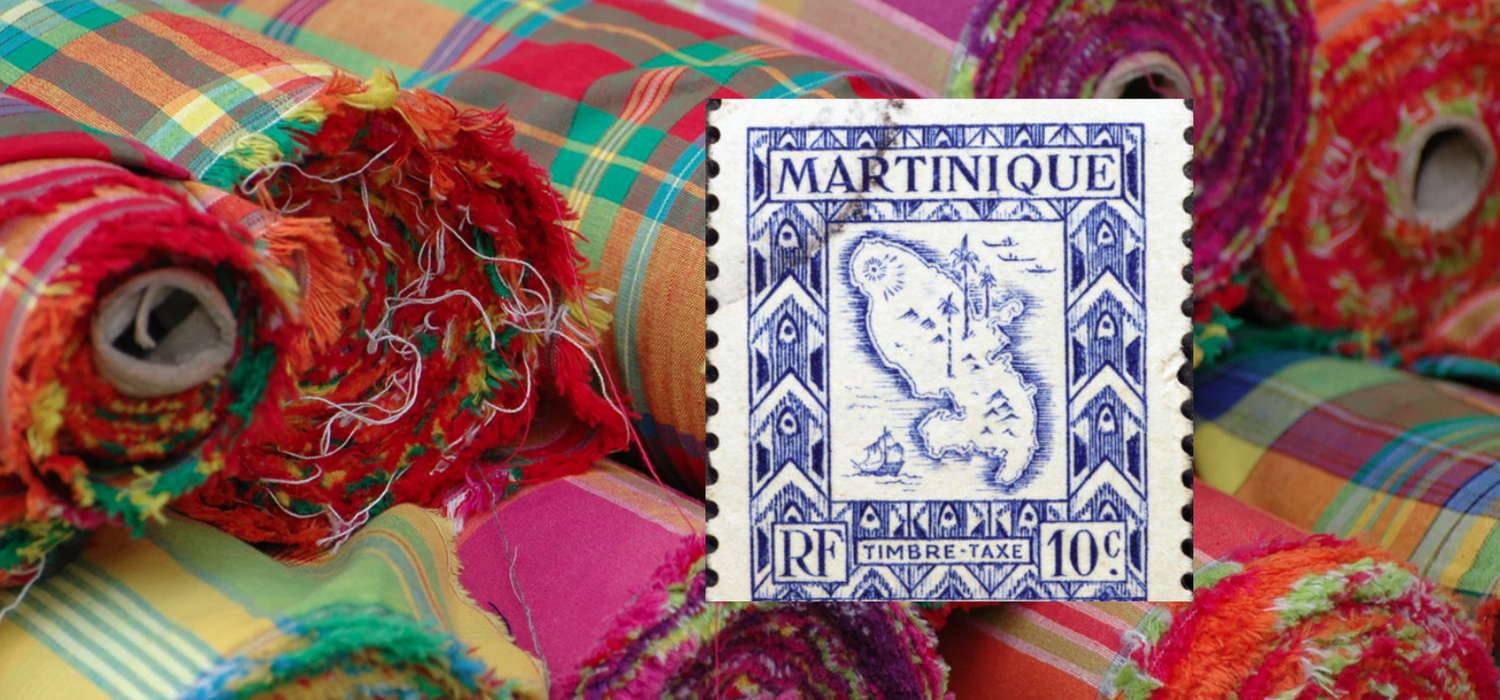 Photo · Madras, Martinique · vertical
Madras: the fabric of my mother's island.
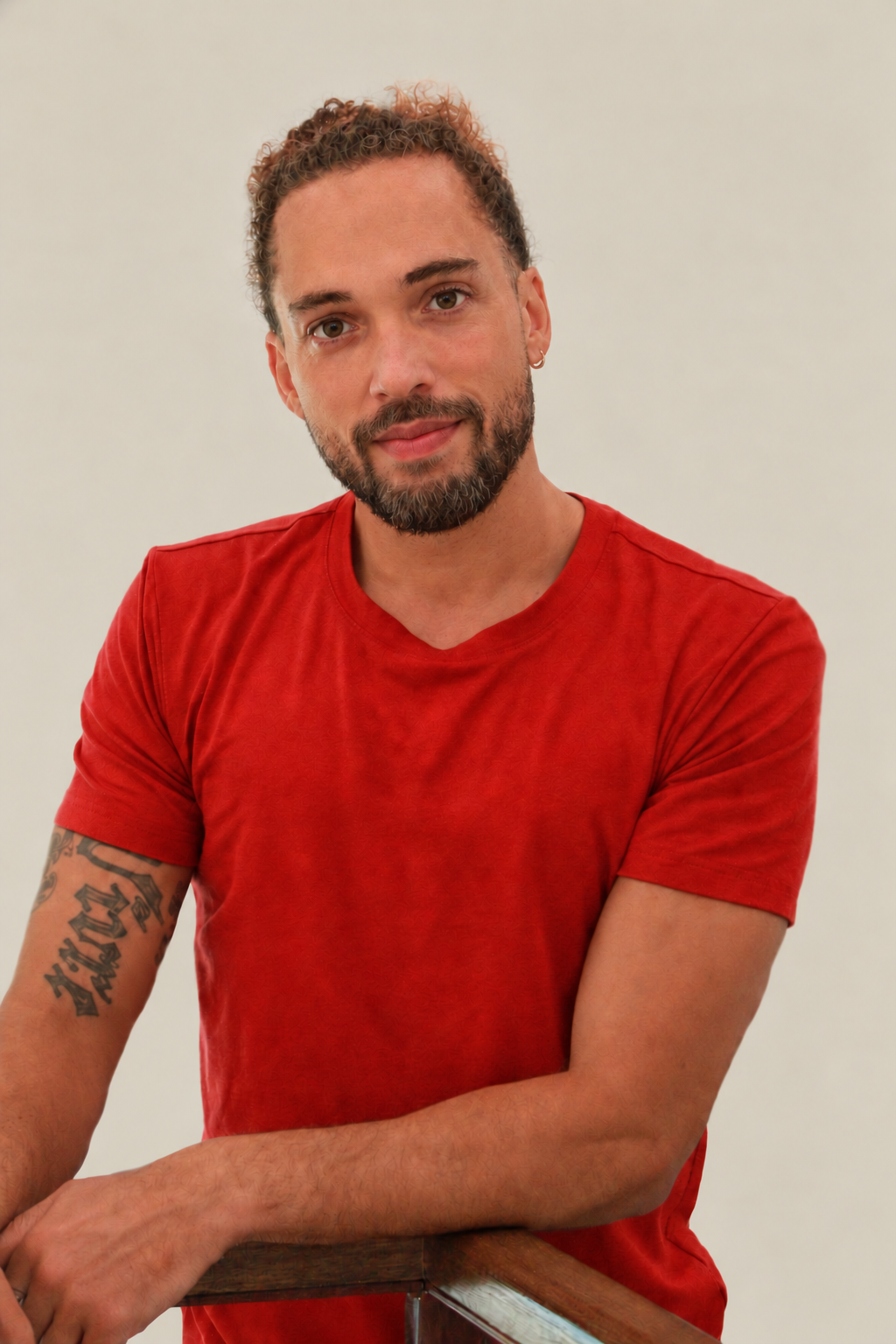 Photo · Author portrait · vertical 4:5
What if the problem was never the person, but the chair?
The author
Fabien William Auger
Fabien is a French-Caribbean author, personal trainer and amateur boxer. Born outside Paris and shaped by his Martinican heritage, he has coached for more than ten years in Paris, Los Angeles and New York. He founded Neurodivergent With Attitude (NDWA) to create adaptive clothing and education tools for neurodivergent people.
Born in the Wrong Chair is his first book. Across his writing, his training and his creative work, he keeps returning to one idea: we can stop forcing ourselves into places that don't fit and start building lives that do.
More than a book
Signed copies, group orders, and the mission.
Signed launch edition
Signed by Fabien, shipped from New York.
For your own shelf, or for the person in your life who would never buy this book for themselves.
Order a signed copyGroups and talks
For schools, parent groups and workplaces.
Bulk copies, and talks for parent associations, schools and neurodiversity employee groups.
Ask about bulk orders and talksThe mission
Neurodivergent With Attitude.
Book sales support NDWA, the foundation I started to create adaptive clothing and education tools for the neurodivergent community.
Follow the work on InstagramQuestions
Before you buy.
Is it a memoir or a self-help book?
Both. Half of it is my story. The other half explains ADHD, bipolar disorder, autism and family patterns in plain language, with prompts and exercises so you can apply it to your own life.
Do I need a diagnosis to get something out of it?
No. It's for anyone who has felt different, misunderstood or out of place, and for the people who love them.
My child is the one who's struggling. Is it still for me?
Yes. The book is written for adults, and parents are a big part of who it's for. It helps you understand what you're seeing at home, including what you and your child may share. It doesn't replace an evaluation or treatment.
Is this medical advice?
No. It's lived experience and research, written by someone who isn't a clinician. If you're worried about yourself or your child, talk to a doctor or a licensed mental health professional.
Is there a Kindle or audiobook edition?
The book is available in paperback on Amazon. Follow @french_with_attitude for news about other editions.
Can I get a signed copy?
Yes. Signed launch-edition copies ship from New York. Order one here.
Do you speak at schools, parent groups or companies?
Yes. Write to fwa@frenchwithattitude.com with your group, the date you have in mind and how many people will attend.
Start reading
Get out of the wrong chair.
Start with the story. Stay for the method. 364 pages, in paperback.
Wear your truth. Stories that heal. Tools that guide.
BORN IN THE WRONG CHAIR
A Neurodivergent Journey to Truth, Healing, and Action
Every copy supports NDWA. Every pledge fuels Zulni.THE STORY BEHIND THE BOOK
I grew up on the outskirts of Paris, between cultures, expectations and identities that never fit neatly into one box.
Long before I had language for neurodivergence, I understood what it felt like to experience the world differently - intensely, creatively, and sometimes painfully.
That tension between who I was and who I thought I was supposed to be would follow me through school, work, relationships, boxing, creativity and eventually entrepreneurship.
Born in the Wrong Chair grew from the moment I stopped trying to fit the wrong environment and started asking a different question: what if the problem was never the person; but the chair?
ROOTS. COLOR. IDENTITY.
My French-Caribbean identity is inseparable from the way I see the world.
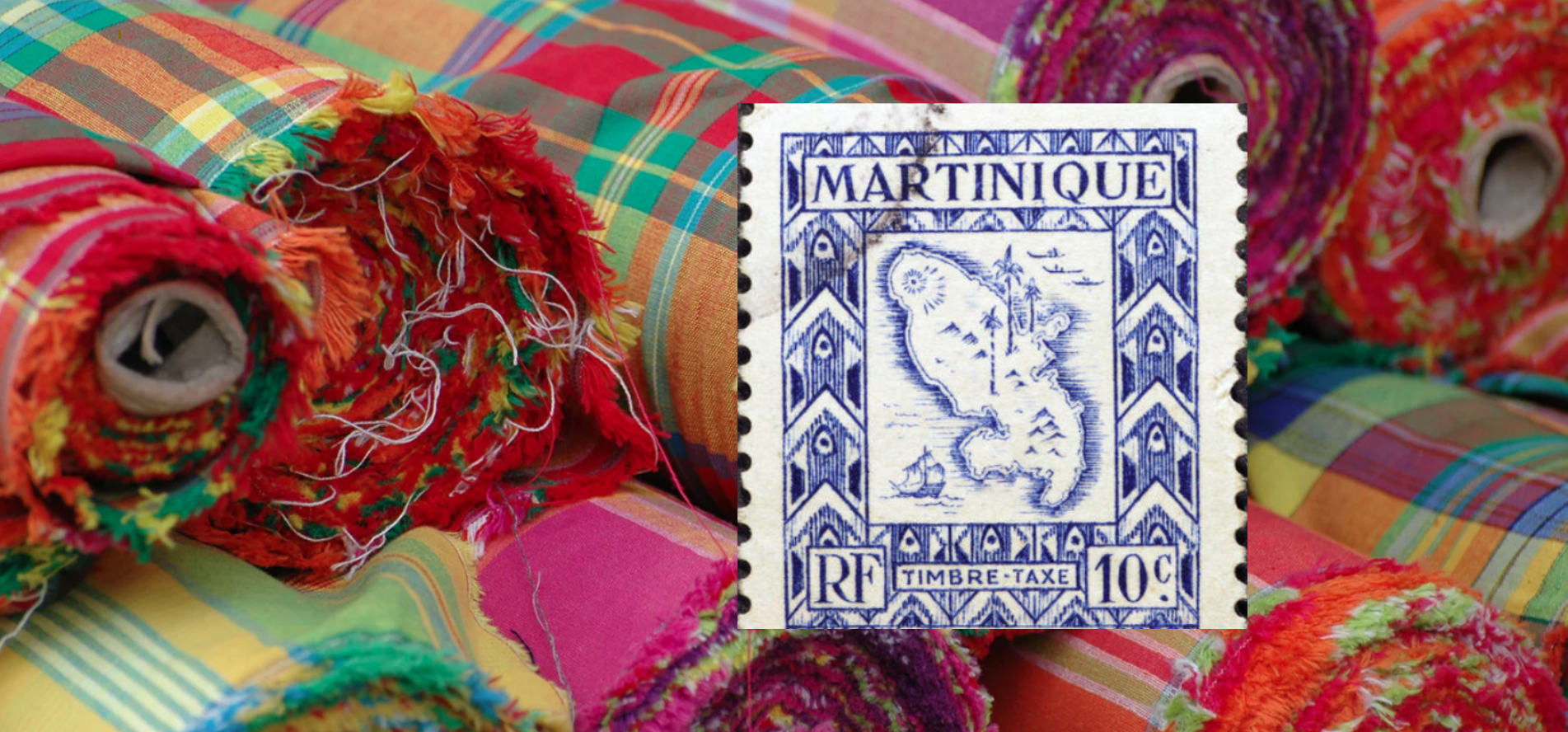
Martinique my mother’s island gave me an instinct for color, nature, contrast and expression. Paris gave me density, culture and contradiction. Together, they shaped the visual language behind French With Attitude and the way I learned to understand identity itself.
What began as self-expression through clothing eventually became something larger: a way to turn difference into language, creativity and connection.
Years later, late understanding of my own neurodivergence gave many of those experiences a name. But a diagnosis alone did not create change. Awareness had to become action.
Why This Book Exists
Born in the Wrong Chair is not just a memoir. It is a blueprint for anyone who has ever felt different, misunderstood, or unseen. I grew up caught between cultures, expectations, and diagnoses that never seemed to explain who I really was. From childhood struggles and late-diagnosed neurodivergence to addiction, boxing rings, and boardrooms, this book tells my story of survival, discovery, and transformation.
Through that journey, I uncovered what I now call The Three Stages of Awareness: Knowing, Awareness, Acting.
A framework that helps people move from confusion to clarity, from paralysis to purposeful action. This method is woven through the book, giving readers not just my story, but tools to reflect on and transform their own.

What’s Inside
Real Stories → moments of chaos, resilience, and self-discovery told without filters.
A Practical Framework → The Three Stages of Awareness: a step-by-step guide to recognizing truth, building self-awareness, and taking action.
Accessible Insights → clear, compassionate explanations of neurodivergence, drawn from lived experience and supported by research.
Tools & Reflections → journaling prompts, exercises, and practices to help readers ground the lessons in their own lives.
This book is for:
The child who feels “different.”
The parent who doesn’t understand but wants to.
The adult who still asks, “Why am I like this?”
And for anyone who believes that change begins when we tell the truth about who we are.
From Chapter One
I was always smiling. It wasn’t a performance. It wasn’t a strategy. It was simply my face, this light, this involuntary beacon I carried into classrooms, family dinners, the streets and spaces of my childhood. I didn’t know it would one day feel like a liability, a flaw, a reason for people to question me, reject me, or worse, dismiss me entirely. I didn’t know it would become evidence against me.
When I was eight, my teacher stopped mid-lesson and called me out in front of the class.
“Why are you always smiling? What’s so funny?”
Her voice sliced the air. Everyone turned. I froze.
My smile faded. My insides dropped. I wasn’t laughing at anyone. I wasn’t mocking anyone. I just had that look, a look that said, “I want to be here, even if I don’t understand everything.”
In French, we have a phrase: être à côté de la plaque; off-base, out of sync. I didn’t realize until much later how this dissonance, this subtle mismatch between what I felt and what the world perceived, was shaping every corner of my childhood.

More Than a Book
Every copy of Born in the Wrong Chair supports the mission of Neurodivergent With Attitude (NDWA), a nonprofit I founded to create adaptive fashion, technology such as Zulni, and education tools for the neurodivergent community. When you read this book, you’re not just reading my story, you’re joining a movement that’s building tangible solutions for the future.
Read the Story. Join the Movement. Fund the Future
Purchase Born in the Wrong Chair and become part of the community reshaping how we see, support, and celebrate neurodivergence.
ABOUT FABIEN WILLIAM AUGER
Fabien William Auger is a French-Caribbean author, entrepreneur, coach, and founder of Neurodivergent With Attitude (NDWA). Born outside Paris and shaped by his Martinican heritage, he writes about identity, neurodivergence, resilience, and the work of turning self-awareness into action.
His debut book, Born in the Wrong Chair, blends memoir with a practical framework the Three Stages of Awareness: Knowing, Awareness, Acting. Across his writing, creative work, and advocacy, Fabien explores one central idea: we can stop forcing ourselves into environments that do not fit and begin building lives that do.
Every copy supports NDWA. Every pledge fuels Zulni.Launch Edition Still Available With Author Signature
Celebrate the debut of Born in the Wrong Chair